
Impact & Economics
Industrial Poultry as a Driver of National Prosperity
🇸🇳 Feeding Growth, Empowering Sovereignty
SUNU GAAL is more than a commercial enterprise, it is a national value-creation engine that converts agricultural potential into industrial capacity. By substituting costly imports, strengthening national food security and Senegal’s trade balance,, SUNU GAAL delivers measurable economic returns while building the infrastructure of long-term national resilience.
Each division (Breeder, Hatchery, and Ovoproducts) contributes to a self-sustaining value chain that creates thousands of jobs, transfers advanced technology, and empowers women and youth in agri-industry. Beyond economics, SUNU GAAL represents a new industrial sovereignty, where science, enterprise, and patriotism combine to make Senegal a net exporter of poultry excellence within ECOWAS and beyond.
🇸🇳 Breeding Infrastructure & Facilities
Engineered for Scale and Biosecurity
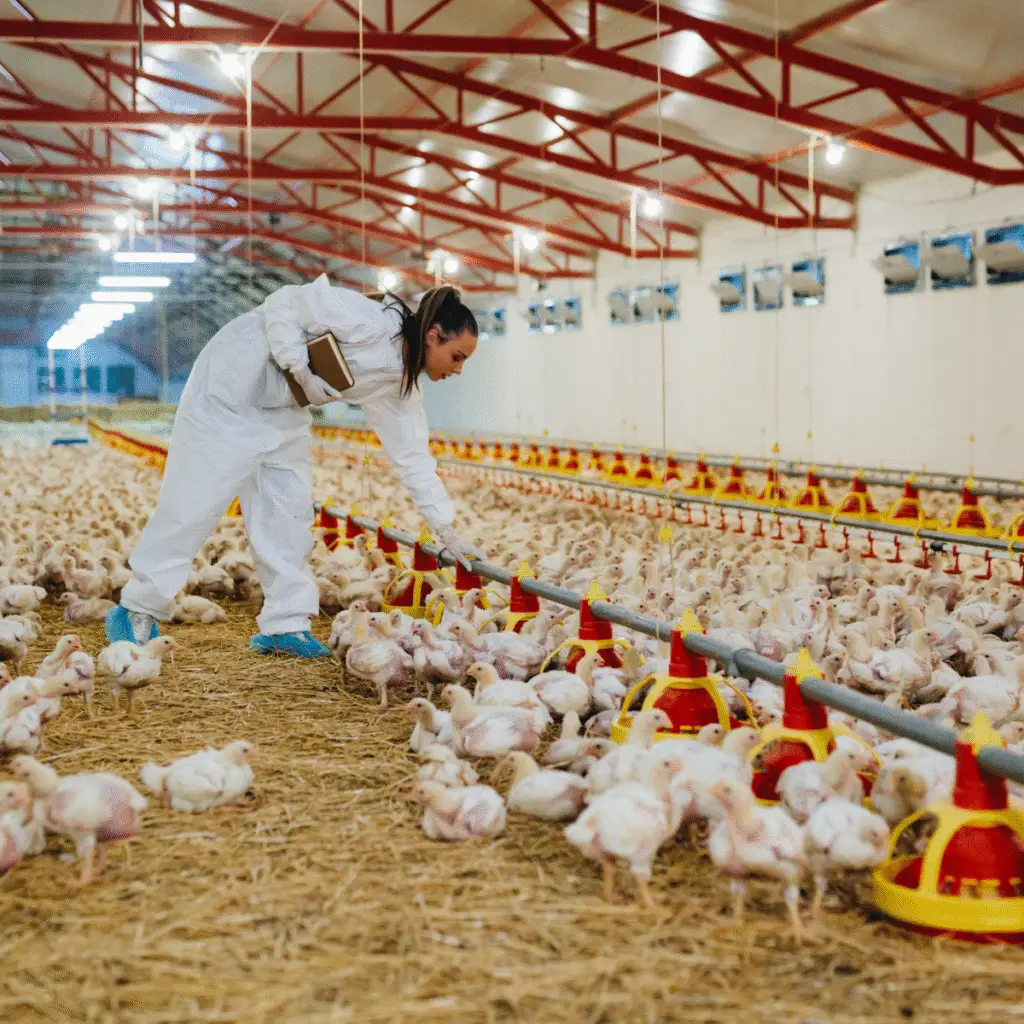
SUNU GAAL’s Breeder Farms are conceived as a high-technology agricultural installation built to international standards of poultry engineering for industrial efficiency and biological integrity. Each site is composed of modern closed-house breeder units engineered to maintain optimal temperature, humidity, and ventilation through fully automated climate-control systems. The facilities are divided into strict biosecurity zones, with separate production, service, and visitor areas, independent access routes, sanitisation gates, personnel protocols, disinfectant access points, and waste management systems, to prevent cross-contamination and protect genetic stock.
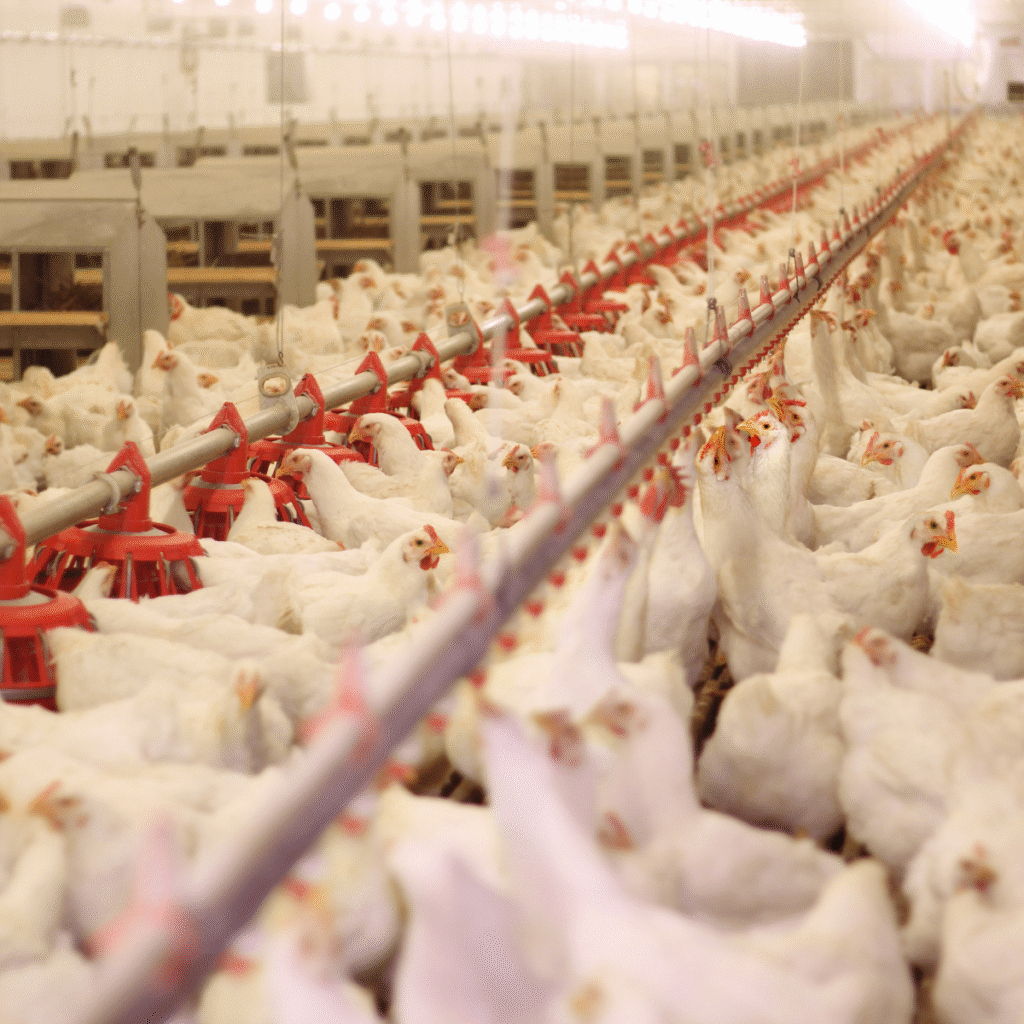
Our farms are equipped with automatic feeding, watering, nesting systems, and egg collection ensuring precision nutrition, uniform egg quality, and consistent fertility rates across production cycles. The entire facility layout prioritises hygiene, animal welfare, and operational reliability, matching the standards used by the world’s top breeder operations in Brazil, the United States, and China.
The infrastructure is being developed through turnkey partnerships with international engineering firms from Brazil and Europe, leveraging proven expertise in large-scale poultry technology. SUNU GAAL’s breeder operations will host multiple high-performance production houses, each stocked with elite genetic lines such as Cobb, Ross (meat), Lohmann Brown, Hy-Line (egg), supported by rearing units and dedicated egg handling rooms.
Advanced climate control systems maintain optimal temperature and humidity levels year-round, while precision feed formulation ensures balanced nutrition aligned with genetic potential. All eggs are collected using automatic conveyors, transferred to temperature-regulated storage, and prepared for delivery to the hatchery within strict time and hygiene parameters. Every step, from lighting control to feed conversion monitoring, is backed by data-driven supervision and veterinary oversight, ensuring both animal welfare and industrial reliability.
🇸🇳 Genetic Excellence and Scientific Management
Science at the Core of Every Egg
1. World-Class Genetic Foundations
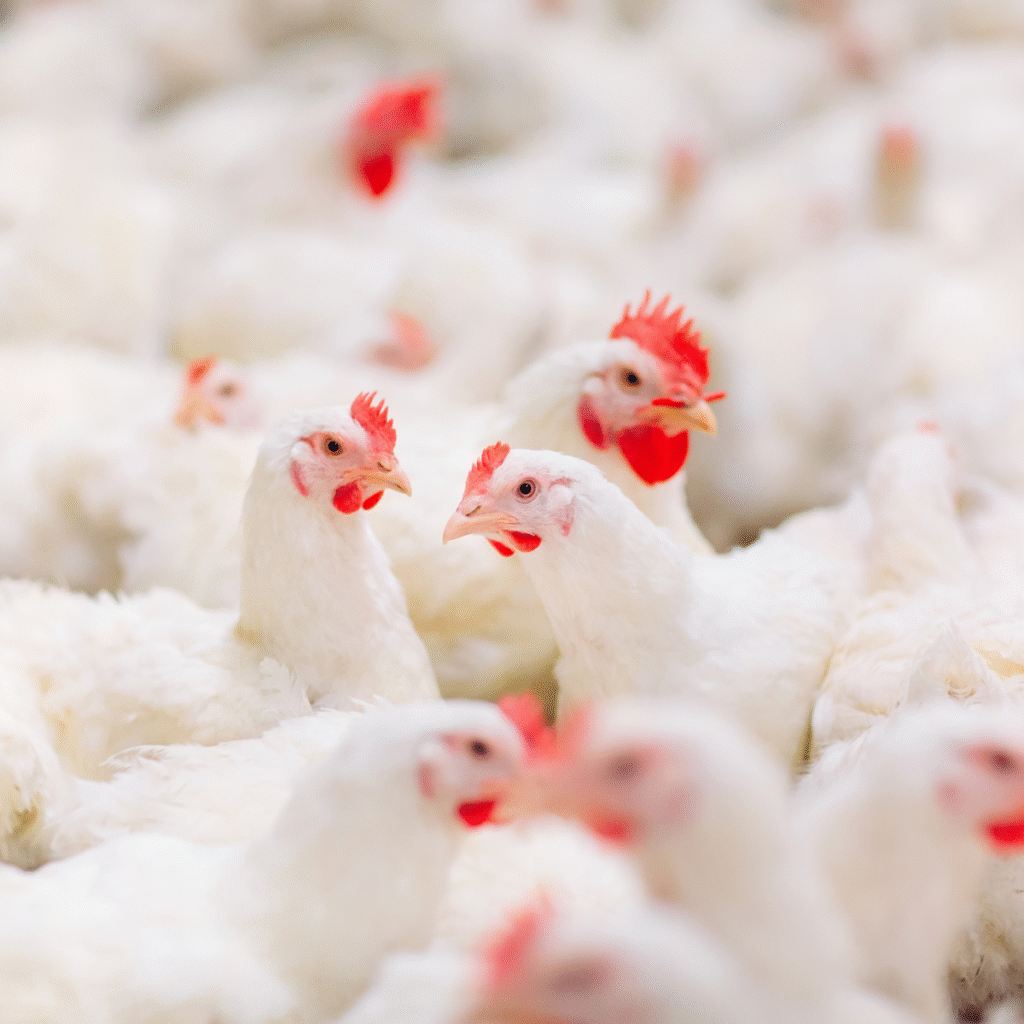
SUNU GAAL’s Breeder Division is built upon elite parent stock sourced from world genetic leaders such as Cobb, Ross, Lohmann Brown, and Hy-Line. These breeds, globally trusted in industrial systems, have been chosen not only for productivity but for their proven resilience under tropical climates when managed in precision-controlled environments. Our Genetic Excellence Programme applies advanced selection, precision nutrition, and continuous performance analytics to ensure the highest fertility, hatchability, and chick vitality rates in West Africa. Each breeder flock is managed under data-driven supervision, where parameters such as feed conversion, egg weight, fertility, and shell quality are tracked daily.Veterinary experts oversee flock health through a rigorous preventive health and biosecurity protocol, ensuring optimal reproductive performance while maintaining full compliance with international welfare standards. The use of genetically superior breeder lines (Cobb, Ross, or equivalent) enables SUNU GAAL to achieve consistent productivity benchmarks, producing high-fertility eggs capable of sustaining large-scale hatchery output throughout the year.
2. Local Adaptation and Research Partnership
In partnership with Senegalese and international research institutions, SUNU GAAL is implementing a climate adaptation and data-monitoring programme to evaluate the performance of imported genetics under local temperature and humidity conditions. Continuous genetic benchmarking allows the company to refine feeding regimes, lighting schedules, and biosecurity protocols for Senegal’s agro-ecological zones, creating a sustainable balance between imported excellence and local optimisation. The long-term objective is to establish a national parent-stock nucleus, enabling gradual genetic independence and reducing reliance on external suppliers, while training a new generation of local geneticists and poultry engineers.
🇸🇳 Production Capacity and National Impact
Phased Production: From Sovereignty to Regional Export
SUNU GAAL’s Breeder Division operates under a rigorous 1 : 10 male-to-female ratio, consistent with global breeder standards, ensuring optimal fertility and efficient genetic performance. Each female breeder produces an average of 140 eggs per year, achieving 90 % fertility under strict veterinary and biosecure management.
The division’s expansion follows a three-phase roadmap aligned with Senegal’s poultry sovereignty objectives. Phase I (300 000 breeder hens – ≈ 330 000 total birds) will yield around 36 million fertilised eggs per year, offsetting nearly 30 % of national imports. Phase II (700 000 hens – ≈ 770 000 total) scales output to ≈ 84 million fertile eggs, replacing over 70 % of foreign supply. Upon reaching Phase III (1.3 million hens – ≈ 1.43 million total), SUNU GAAL will exceed 155 million fertile eggs annually, eliminating import dependency entirely and creating a 30 % exportable surplus.
Beyond national coverage, this capacity anchors SUNU GAAL’s transition toward full vertical integration: from breeder to hatchery, processing, and branded retail — while positioning Senegal as a regional poultry exporter within ECOWAS.